
Why Your YouTube Shorts Never Get Pushed (And How to Fix It)

If your YouTube Shorts not getting views feels personal, you are not alone. You post consistently, follow trends, maybe even copy viral formats, and still your Shorts sit at zero or flatline. This guide breaks down exactly why YouTube Shorts reach is low, what the algorithm actually looks for, and how to fix the real issues holding your content back.
This is not theory. These are practical, repeatable fixes used by creators who went from Shorts views stuck to consistent growth.
YouTube Shorts Not Getting Views – What’s Really Happening
Let’s clear a myth first.
YouTube is not “shadow banning” you.
When YouTube Shorts not pushed, it is usually because the system tested your video and got weak signals early.
YouTube Shorts works in phases:
Initial test to a small audience
Signal evaluation
Expansion or stop
If your video fails Phase 2, impressions die.
This is why many creators see:
0 to 50 views
A sudden stop after 500 views
No impressions at all
That’s not random. It’s feedback.
How the YouTube Shorts Algorithm Actually Works
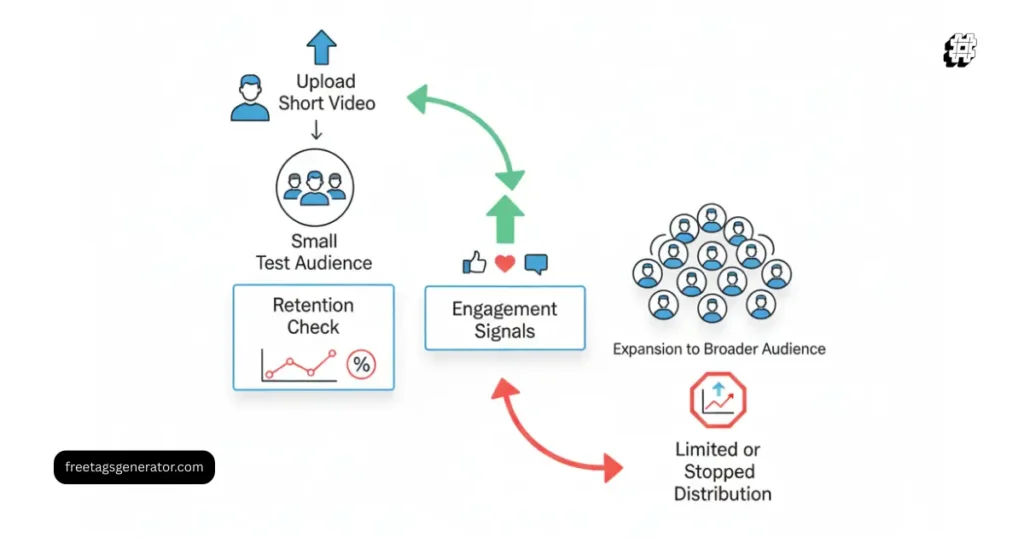
Understanding the YouTube Shorts algorithm will save you months of guessing.
The algorithm cares about four core signals:
1. View Duration (Not Just Watch Time)
Shorts are judged by percentage watched, not minutes.
90–100 percent watched = very strong
70–85 percent = decent
Under 60 percent = dead
If your Short is 20 seconds and people leave at 6 seconds, the system stops pushing it.
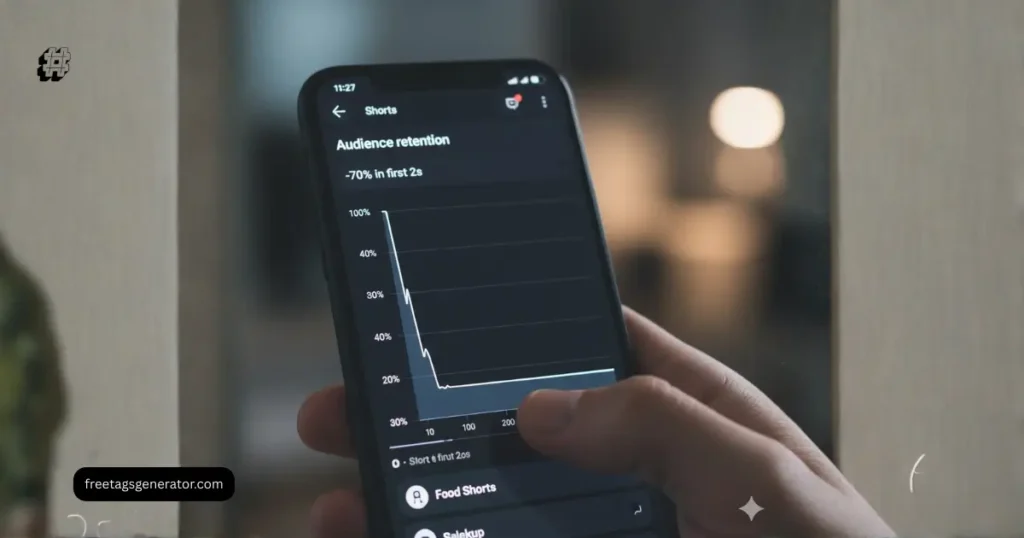
2. Retention in the First 2 Seconds
The first 2 seconds decide everything.
No hook = no distribution.
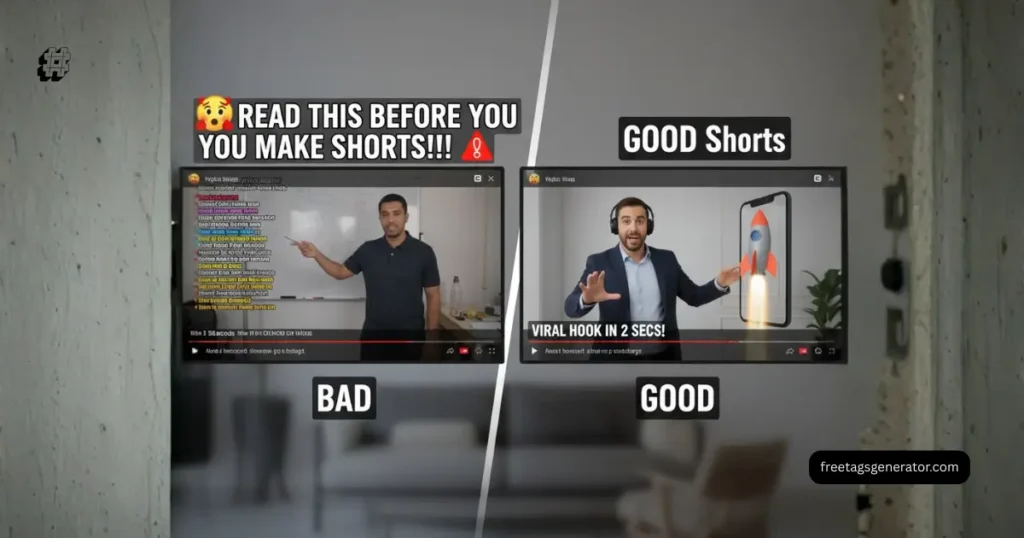
Examples of bad starts:
Long intro
Logo animation
“Hey guys welcome back…”
Examples of strong starts:
A bold statement
A visual shock
A question people care about
3. Replays and Loops
Shorts that loop naturally get extra weight.
This is why:
Clean endings
Seamless cuts
Cliffhanger endings
matter more than hashtags.
4. Engagement Signals
Likes, comments, shares, and follows after viewing.
Not asking for engagement is a mistake.
Why New YouTube Shorts Get No Views
If your new YouTube Shorts no views, it is usually one of these:
New channel with no audience data
Content niche is unclear
Inconsistent posting signals
Poor early retention
New channels are tested slower.
Your job early on is training the algorithm, not going viral.
The Most Common Reasons YouTube Shorts Fail
Here are the mistakes killing reach quietly.
Your Hook Is Too Slow
If your hook starts after 3 seconds, you already lost.
Fix:
Start with motion
Start mid-action
Start with the payoff, not the setup
Your Content Is Too Broad
The Shorts algorithm hates vague topics.
Bad example:
“Motivation”
Good example:
“One mindset mistake killing your discipline”
Wrong Aspect Ratio or Resolution
Shorts must be:
9:16
At least 720p
Under 60 seconds
Anything else reduces distribution.
Inconsistent Topic Switching
One day gaming.
Next day finance.
Then memes.
YouTube cannot understand who to show your Shorts to.
This causes YouTube Shorts low impressions long term.
YouTube Shorts SEO Still Matters (Just Differently)
Yes, YouTube Shorts SEO matters.
Just not how people think.
Title Optimization
Your title should:
Be readable
Include context
Trigger curiosity
Example:
“This Is Why Your YouTube Shorts Not Getting Views”
Avoid:
Hashtag-only titles
Keyword stuffing
Description Still Feeds Context
Write 2–3 clean lines:
Explain what the Short is about
Use natural keywords once
This helps with:
Discover tab
Search-based Shorts traffic
YouTube Shorts Tags Not Working? Here’s Why
Tags do not drive Shorts distribution directly.
But they help:
Channel context
Content grouping
Use:
5–10 relevant tags
No spam
No trending junk tags
If YouTube Shorts tags not working, the issue is content, not metadata.
Step-by-Step Fix for Shorts Views Stuck
Here’s a simple system that works.
Step 1: Pick One Narrow Topic
Example:
One tool
One problem
One audience
Stick to it for 30 days.
Step 2: Design the Hook First
Before recording, answer:
Why would someone stop scrolling?
Write the first line first.
Step 3: Keep Shorts Under 20 Seconds
Shorter Shorts often perform better.
Especially for new channels.
Step 4: Cut Ruthlessly
Remove:
Pauses
Breathing gaps
Filler words
Every frame matters.
Step 5: Post Consistently, Not Randomly
3–5 Shorts per week beats daily random uploads.
Consistency trains the algorithm.
Why YouTube Stops Pushing Shorts After Some Views
This is one of the most searched questions.
Why does YouTube stop pushing Shorts?
Because:
Retention drops
Engagement stalls
Viewers swipe away faster than average
The system constantly compares your Short to others.
If it loses, it stops.
Case Example – From Zero to Consistent Reach
A small creator posted:
Same topic
Same format
Same hook style
After 18 Shorts:
One crossed 50k
Others followed
The lesson:
Consistency beats creativity early
Pattern recognition matters more than luck
Monetization Reality Check for Shorts
How many views on Shorts to make $1000?
Rough estimate:
8 to 15 million views
Depends on RPM and niche
Shorts monetization is volume-based.
Use Shorts to:
Grow audience
Funnel to long videos
Promote tools or services
How to Get YouTube to Push Your Shorts Again
Focus on signals, not tricks.
Improve hooks
Increase watch percentage
Encourage replays
Stick to one niche
That’s how you fix YouTube Shorts algorithm issues.
FAQs
Why does YouTube stop pushing Shorts?
Because early viewers swipe away, retention drops, or engagement signals are weak. The system pauses distribution when performance falls below average.
How do I get YouTube to push my Shorts?
Improve the first 2 seconds, keep Shorts under 20 seconds, focus on one topic, and post consistently so the algorithm understands your audience.
Why is YouTube not pushing my videos?
Usually due to low retention, unclear niche, or inconsistent content. It is rarely about hashtags or posting time.
What is the 30 second rule on YouTube?
Shorts under 30 seconds often perform better because higher completion rates are easier to achieve, which boosts algorithm confidence.
How many views on Shorts to make $1000?
Around 8–15 million views, depending on niche and RPM. Shorts work best as a growth channel, not primary income.
How to get 10M Shorts views in 90 days?
Pick one niche, one format, post 3–5 high-retention Shorts weekly, study retention graphs, and double down on what holds attention.
Final Thought

If your YouTube Shorts not getting views, the problem is not luck, hashtags, or upload time. It is almost always retention, clarity, and consistency. Fix the hook, narrow the topic, and let the algorithm learn who your content is for.
If you want faster growth, use Shorts as traffic engines and pair them with smart SEO tools.
 Try a YouTube tag generator to speed up testing and improve discoverability without guessing.