
This guide explains how TikTok tags work, how to use them correctly, and how to build a simple TikTok tags strategy for long-term growth.

If you’re posting regularly on TikTok and still not getting the views you expect, you’re not alone. Most creators hit this wall at some point. They improve video quality, follow trends, post at the “right time”, yet the reach barely moves.
In many cases, the issue isn’t the content. It’s how TikTok understands that content.
That understanding starts with TikTok tags.
Tags are one of the clearest signals you give TikTok about what your video is about and who it should be shown to. When used correctly, they help your videos reach the right audience, appear in search results, and gain consistent views over time. When used poorly, they can quietly limit your reach, even if the video itself is good.
This guide explains how TikTok tags actually work in 2026, how many you should use, what mistakes to avoid, and how to build a simple tagging system that supports real growth instead of guesswork.
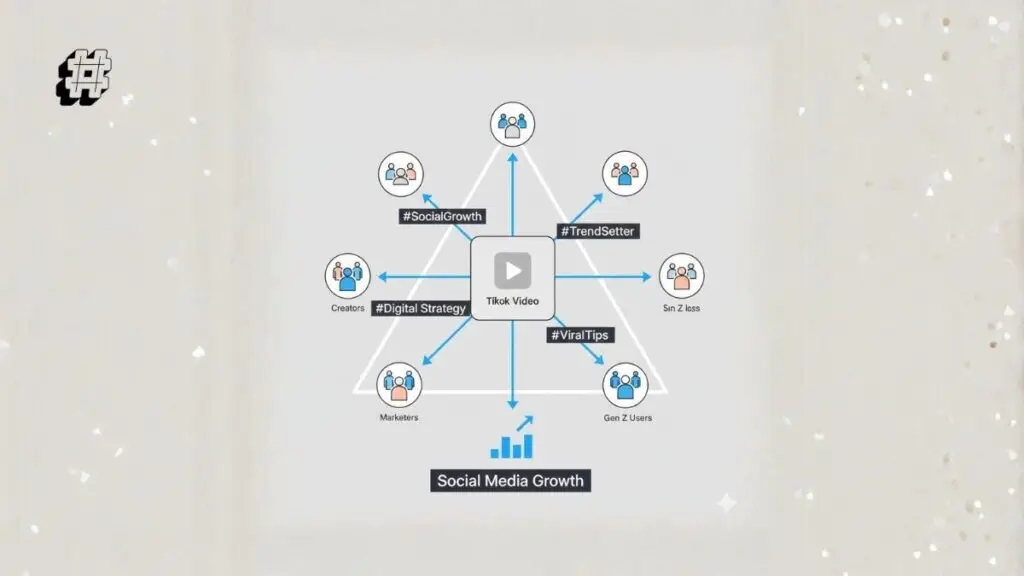
TikTok tags are keywords or phrases you attach to your video, usually in the form of hashtags, to describe the topic, intent, or category of your content.
At a basic level, they help TikTok label your video. But their role goes much deeper than just categorization.
When a video is uploaded, TikTok analyzes several signals at once:
The caption text
On-screen text
Spoken words in the video
The audio used
Viewer behavior
The tags you include
Tags act as structured context. They give TikTok a clear hint about what your video is about before any engagement data exists.
If your content is about productivity tips but your tags are broad or unrelated, TikTok has a harder time matching your video with the right audience. The result is poor early testing and limited distribution.
When tags match your content closely, TikTok can test your video with people who are more likely to care about it. That improves watch time, engagement, and long-term reach.
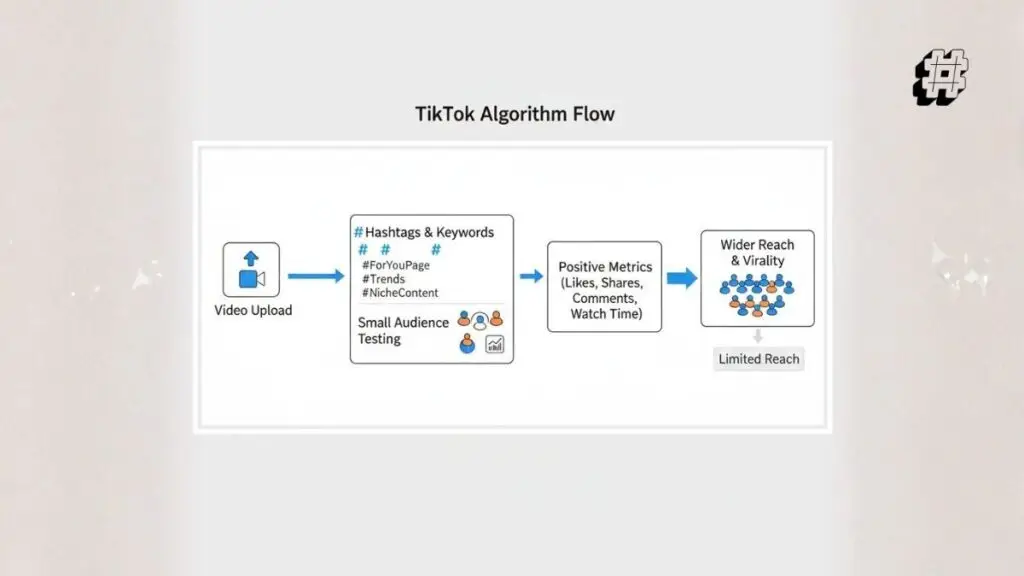
TikTok doesn’t push your video to millions of users instantly. Distribution happens in stages.
First, your video is shown to a small group of users who match the signals TikTok understands from your content. Tags are part of those signals.
If that initial audience watches longer, interacts, or rewatches, TikTok expands distribution. If they swipe away quickly, reach slows down.
Tags help TikTok with:
Initial audience matching
Topic classification
Search placement
Long-term discoverability
They don’t guarantee virality, but they strongly influence who sees your video first, which often determines whether it grows or dies early.
This is why random or copied tags are risky. They send mixed signals, and mixed signals lead to poor testing.
Finding TikTok tags manually works, but it gets slow fast.
If you want to save time and still stay relevant, a TikTok tags generator can help you find tags that actually match your video instead of guessing or copying viral posts.
I recommend using a free TikTok tags generator to quickly discover niche, low-competition tags before you post.
Yes, but not in the way many creators expect.
TikTok tags are no longer about chasing viral trends alone. Their real value today is in search visibility and audience relevance.
TikTok has evolved into a search platform. Users actively search for tutorials, reviews, advice, and solutions. When someone searches, TikTok relies heavily on text signals to rank videos.
Tags help TikTok:
Understand what your video should rank for
Match your video to search intent
Surface your content weeks or months later
If your goal is long-term growth instead of short-term spikes, tags are still an important piece of the system.
Using more tags does not increase reach. In many cases, it does the opposite.
Most videos perform best with three to six highly relevant tags. This range gives TikTok enough context without diluting meaning.
A balanced setup usually includes:
One primary topic tag
Two to three supporting tags
One optional niche or intent-based tag
Adding too many tags creates noise. TikTok struggles to determine which tags actually matter, and the video gets tested less effectively.
The goal is clarity, not volume.

This is where many creators unknowingly sabotage their own content.
Viral videos often succeed because of timing, audience, or creator authority. Copying their tags without matching the content usually hurts performance.
Trending tags only help when your video fits the trend. Otherwise, TikTok shows your video to the wrong audience, leading to low engagement.
TikTok expects variation. Using identical tags repeatedly limits testing and signals low effort.
Broad tags are competitive. Niche tags help TikTok understand your content faster and reach people who are actually interested.
Some tags are throttled or restricted. Using them can quietly suppress reach without warning.
Avoiding these mistakes alone can significantly improve performance.
Most creators don’t struggle because of bad content.
They struggle because they reuse the same tags, follow trends blindly, or pick tags that don’t match their video.
Instead of guessing, you can use a TikTok tags generator that suggests relevant tags based on your content, not hype. It helps you avoid common mistakes and gives your videos a better chance to reach the right audience.
This is especially useful if you post consistently or manage more than one account.

There are three reliable ways to find effective TikTok tags.
Search your topic on TikTok and analyze:
Top-ranking videos
Repeated phrases in captions
Common tag patterns
This works, but it’s time-consuming and inconsistent.
Study creators in your niche who get steady views, not just viral hits. Their tags often reflect what works long-term.
A good tags generator saves time and removes guesswork by suggesting tags based on relevance instead of hype. This approach is especially useful if you publish frequently or manage multiple accounts.
Finding effective tags manually takes time, testing, and constant adjustment. If you want faster results without copying random viral tags, using a TikTok Tags Generator makes the process simple.
With the right tool, you can:
Generate tags that actually match your video
Discover niche and low-competition tags
Save time on research
Improve consistency without overthinking
Using a generator doesn’t replace strategy. It supports it.
New accounts don’t have authority yet. Broad tags put you in direct competition with large creators.
A smarter approach is to focus on:
Niche-specific tags
Lower competition phrases
Clear topic alignment
This helps TikTok find the right audience faster and improves early engagement.
Accounts with an existing audience can mix:
Niche tags
Mid-range tags
Occasional broader tags
Because TikTok already understands your audience, you have more flexibility without hurting reach.
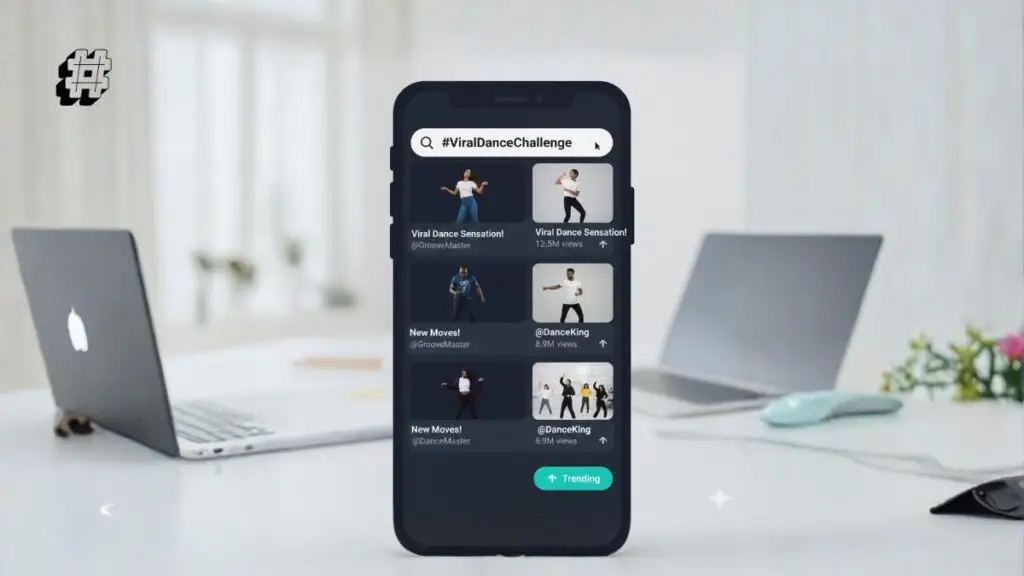
Search is one of the most overlooked growth channels on TikTok.
When a user searches, TikTok looks for alignment between:
Search query
Caption text
Spoken words
Tags
If all three match, your video has a much better chance of ranking.
For search-focused videos:
Use descriptive, intent-based tags
Match your spoken words to your tags
Avoid vague or trendy phrases
This is how videos continue to get views long after posting.
A creator posting productivity content averaged a few hundred views per video. Their tags were broad and trend-focused.
After switching to:
Topic-specific tags
Consistent wording
Fewer but more relevant tags
Their videos began appearing in search results and averaged several thousand views within weeks.
The content stayed the same. The signals changed.
Before publishing any video, check the following:
Do my tags clearly describe the video topic?
Are they relevant to what’s actually shown?
Am I avoiding random or copied trends?
Do my tags match my caption and spoken words?
Am I testing variations instead of repeating the same set?
If yes, you’re tagging correctly.
TikTok tags are not a shortcut to virality. They’re a system for clarity.
They help TikTok understand your content, match it with the right audience, and decide where it belongs in search and recommendations. When used intentionally, they support consistent growth and long-term visibility.
If you want better results, stop guessing, stop copying, and start tagging with purpose.
If you’re serious about growing on TikTok, guessing your tags every time is a waste of energy. The right tags should support your content, not confuse the algorithm.
Use this TikTok Tags Generator to:
Find tags that actually match your video topic
Discover niche and low-competition tags
Save time on manual research
Stay consistent without overthinking
 Try the TikTok Tags Generator now and tag smarter, not harder.
To take your TikTok growth further, it helps to explore a few targeted strategies. Using location-specific tags can make a real difference in competitive markets, as explained in Powerful TikTok Tags to Get More Views USA, which shows how to reach audiences in the US more effectively. For creators trying to stand out without competing against massive trends, Low Competition TikTok Hashtags for 2026 breaks down how smaller, highly relevant hashtags can help your content get noticed where broader tags fail. If some of your videos aren’t getting views at all, Why TikTok Gives Your Videos 0 Views (And How to Fix It) dives into the structural mistakes and early signal issues that often hold content back. And for a step-by-step approach to mastering hashtags and aligning them with your content strategy, The Complete Guide to TikTok Tags: How to Get More Views, Reach, and Growth in 2026 covers everything from selecting the right tags to sending strong content signals that help the algorithm find your ideal audience. Together, these guides provide a practical toolkit for boosting reach, fixing visibility issues, and making sure your content connects with the viewers who matter most.
Yes. They improve content understanding, search visibility, and audience targeting.
Three to six relevant tags usually perform best.
Yes. Irrelevant tags confuse the algorithm and limit distribution.
Yes. Niche and low-competition tags work better for new creators.
They overlap, but tags play a stronger role in content classification and search.