
TikTok Isn’t Broken, Your Content Signals Are: How the Algorithm Really Works
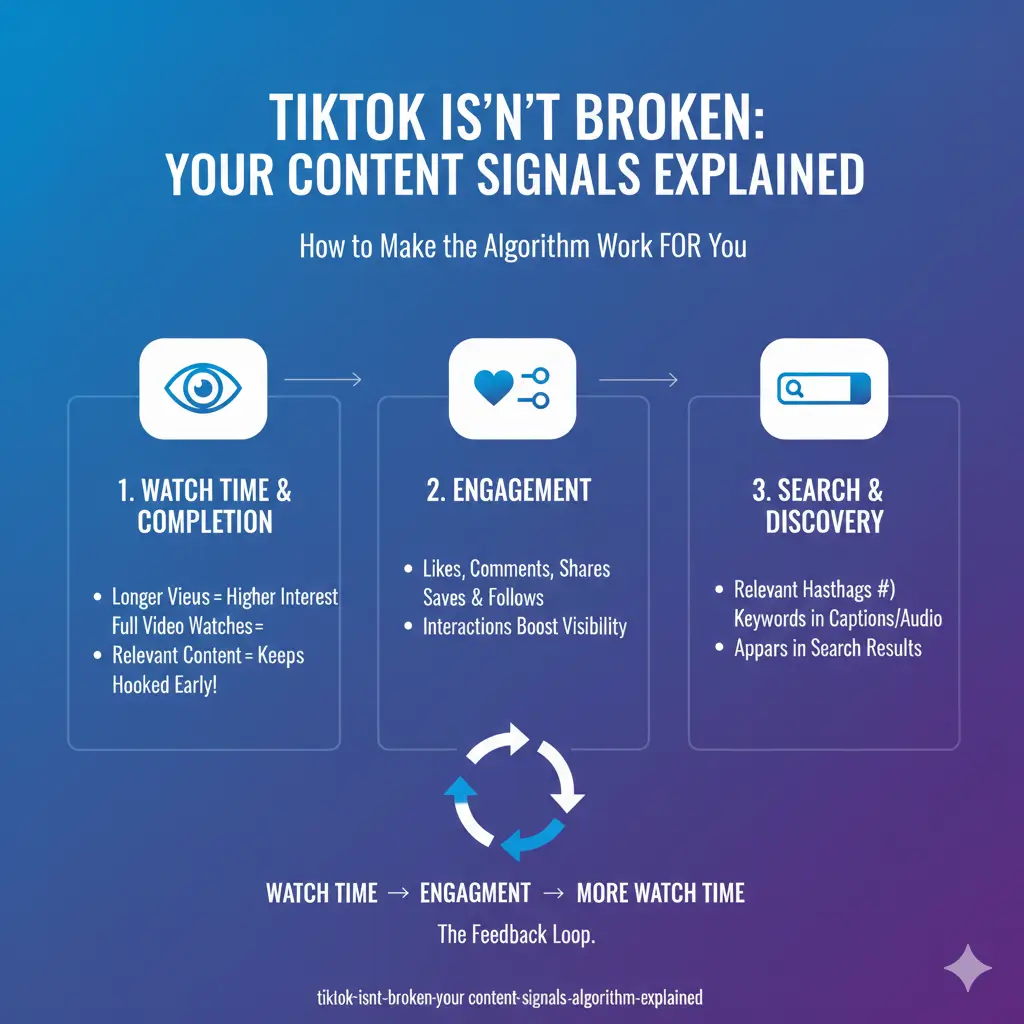
TikTok Isn’t Broken, Your Content Signals Are — and once you understand that, a lot of frustration starts to make sense.
When views drop, creators often assume something is wrong with the platform. But TikTok doesn’t randomly limit reach. It reacts to data. Every video sends signals, and the algorithm uses those signals to decide who should see it next.
TikTok is no longer just a social feed. It works like a recommendation system and a search engine combined. If your content sends mixed or weak signals, distribution slows. Not as punishment, but because the system can’t confidently match your video with the right audience.
This article breaks down how the TikTok algorithm works, which ranking factors actually matter, how content signals shape reach, and how TikTok SEO fits into all of it without turning your content robotic.
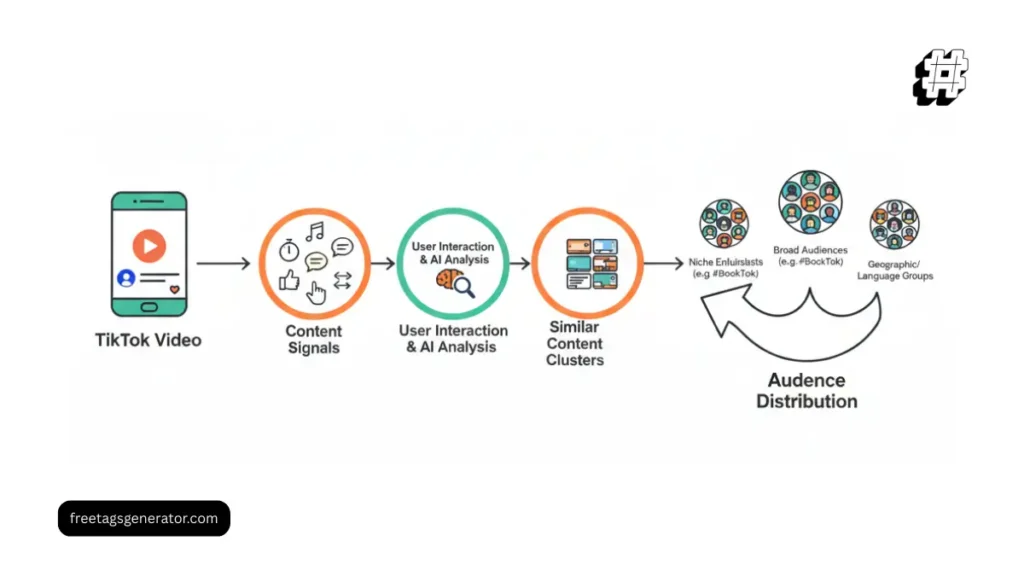
TikTok Isn’t Broken, Your Content Signals Are — Here’s How the Algorithm Interprets Them
The TikTok algorithm doesn’t judge creativity. It measures behavior.
Every time you post, TikTok runs a test. Your video is shown to a small group. What happens in those first interactions determines whether distribution expands or stalls.
The algorithm tracks:
Watch time
Completion rate
Rewatches
Likes, comments, shares, saves
Profile visits and follows
Search behavior related to the topic
This is the foundation of TikTok algorithm explained in simple terms. The system looks for patterns that answer one question:
Who is most likely to enjoy this video?
If your content sends clear signals, TikTok knows where to place it. If signals are unclear, the system hesitates.
How the TikTok Algorithm Works and Why Content Signals Matter
To understand how the TikTok algorithm works, think in terms of feedback loops.
TikTok does not push content based on followers alone. It prioritizes relevance. A new account can outperform an established one if its signals are cleaner.
Content signals come from:
Spoken words in the video
On-screen text
Caption wording
Hashtags
Viewer behavior
When all of these align around one idea, TikTok quickly understands the topic and audience.
When they don’t align, distribution slows.
This is why posting random topics, vague hooks, or mismatched captions hurts performance more than people realize.
TikTok Ranking Factors That Decide Reach and Visibility
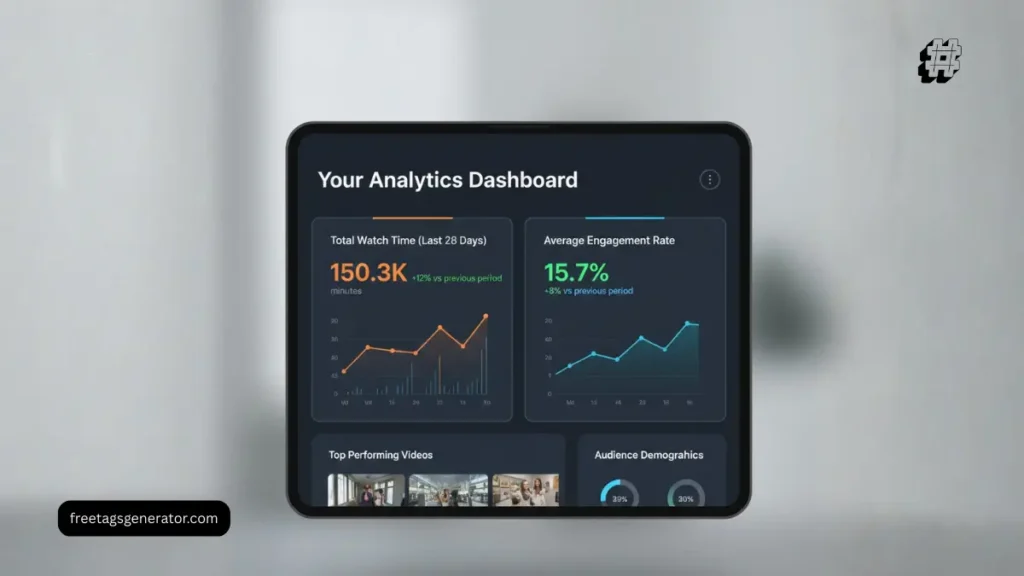
There are many micro-signals, but a few TikTok ranking factors consistently influence reach.
Watch Time and Completion Rate
If people leave early, TikTok reads low relevance.
If viewers watch to the end or rewatch, relevance increases.
Clear structure matters more than video length.
TikTok Engagement Rate
A healthy TikTok engagement rate is not just about likes.
Comments, shares, and saves indicate deeper interest. These actions tell the algorithm that the content is worth resurfacing.
Topic Consistency
Accounts with consistent themes send stronger long-term signals. This helps TikTok understand who to test your content with faster.
Consistency doesn’t mean repeating the same video. It means staying within a recognizable topic space.
Viewer Intent
TikTok tracks what viewers do after watching. Do they search related topics? Visit your profile? Follow you?
These behaviors strengthen ranking signals beyond surface-level engagement.
TikTok Content Signals Most Creators Get Wrong
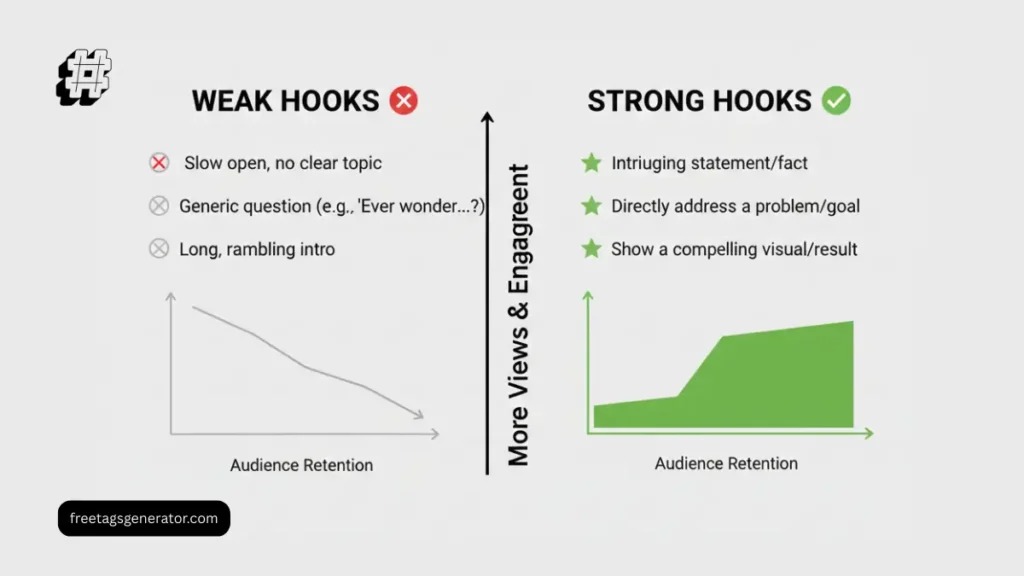
Many creators struggle not because of quality, but because their TikTok content signals are unclear.
Weak Opening Seconds
The first 2–3 seconds define context. If the hook is vague, TikTok cannot classify the video quickly.
Clear beats clever.
Mixed Messaging
If visuals suggest one topic and captions suggest another, the algorithm hesitates.
Strong signals happen when:
The hook states the topic
The visuals support it
The caption reinforces it
Overusing Broad Hashtags
Hashtags still help, but irrelevant or overly broad tags dilute relevance. Fewer, accurate hashtags are more effective.
Trying to Appeal to Everyone
Content made for “everyone” sends weak signals. Specific audiences create stronger data patterns.
TikTok SEO Explained: How Search and Signals Work Together
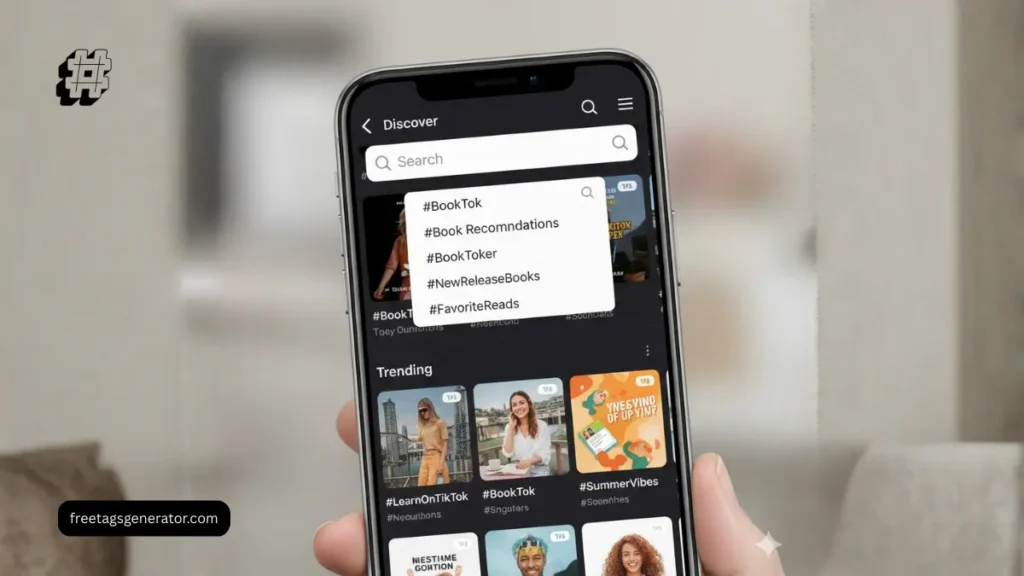
TikTok SEO is not about repeating keywords. It’s about clarity.
TikTok now indexes:
Spoken words
On-screen text
Captions
Search behavior
If someone searches “how TikTok algorithm works” and your video clearly answers that, TikTok treats it as search-relevant content.
To improve TikTok SEO:
Say your main topic out loud
Use natural language in captions
Add on-screen text that mirrors search intent
Stick to one core idea per video
This helps your content surface through both recommendations and search results.
Why TikTok Isn’t Broken, Your Content Signals Are — A Simple Example
Two creators post about TikTok reach.
Creator A:
Vague hook
General advice
Broad hashtags
Inconsistent topic history
Creator B:
Clear opening statement
One specific problem
Focused caption
Consistent content theme
Creator B performs better not because of luck, but because the signals are easier for TikTok to interpret.
This is why TikTok Isn’t Broken, Your Content Signals Are is more than a phrase. It’s a practical explanation.
How to Fix Your Content Signals Going Forward
Before posting, ask:
Is the topic clear in the first 3 seconds?
Would a new viewer know who this is for?
Do visuals, audio, and caption match?
Is there one main idea, not several?
If the answers are yes, your signals are strong.
If keyword research or topic clarity is a struggle, using a TikTok keyword or tag research tool can help align your content with how users actually search instead of guessing.
TikTok Algorithm and Content Signals FAQs
Is TikTok reach declining overall?
No. Distribution is more selective and signal-based.
Do hashtags still matter?
Yes, but relevance matters more than quantity.
What’s a good TikTok engagement rate?
It depends on the niche, but comments and shares matter more than likes alone.
Does posting time affect reach?
Timing helps early testing, but strong signals matter more long term.
Can old videos start performing again?
Yes. Search traffic and renewed relevance can revive older posts.
Does TikTok SEO really work?
Yes. Clear topics and searchable language improve discovery.
Final Words: TikTok Isn’t Broken, Your Content Signals Are
TikTok Isn’t Broken, Your Content Signals Are — and that’s actually good news.
It means reach is not random.
It means performance is learnable.
It means growth comes from clarity, not guessing.
When your content sends clean, consistent signals, TikTok does exactly what it’s designed to do: match videos with people who want to see them.
Related Reads to Improve TikTok Reach and Visibility
For creators serious about growing on TikTok, understanding hashtags, reach, and content signals is critical. Our Pillar post: The Complete Guide to TikTok Tags: How to Get More Views, Reach, and Growth in 2026 provides an in-depth overview of TikTok tags, showing how proper keyword alignment and content planning can maximize visibility across audiences. If you’re focusing on the U.S. market specifically, check out Powerful TikTok Tags to Get More Views USA: Boost Your Reach and Growth in 2026 to discover tags that can significantly improve your reach and engagement. For those struggling to get noticed, Low Competition TikTok Hashtags for 2026: Why Most Creators Will Still Be Invisible explains why targeting less competitive hashtags is often the fastest way to grow without getting lost in saturated trends. And if your videos feel invisible or are getting minimal traction, Why TikTok Gives Your Videos 0 Views (And How to Fix It) dives into common causes—like weak content signals or poor hook strategies—and provides actionable fixes to recover reach. Reading these posts together will give you a complete understanding of TikTok SEO, ranking factors, and content strategies, helping you create videos that the algorithm confidently distributes while boosting your engagement rate and long-term growth.