Why Your YouTube SEO Fails in 2026
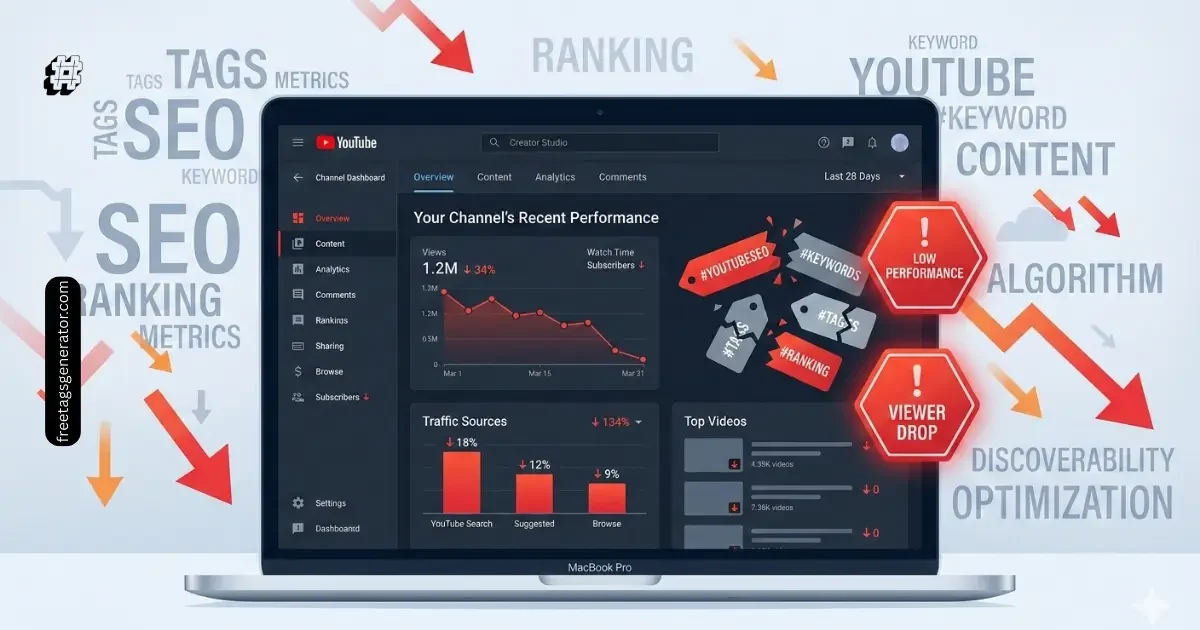
If you’ve been uploading videos on YouTube but your views just won’t grow, chances are you’re making some YouTube SEO mistakes. These aren’t just minor errors—they can keep your videos from ranking, no matter how good your content is. Understanding why videos fail and how to fix tagging and ranking mistakes can save you months of frustration. In this article, we’ll break down the 10 tag errors beginners make, common ranking pitfalls, and actionable tips to optimize your videos for 2026.
Understanding YouTube SEO Mistakes
Even experienced creators fall into common traps that hurt their video performance. Knowing these pitfalls is the first step to improving visibility and engagement.
The Role of Wrong SEO Tags
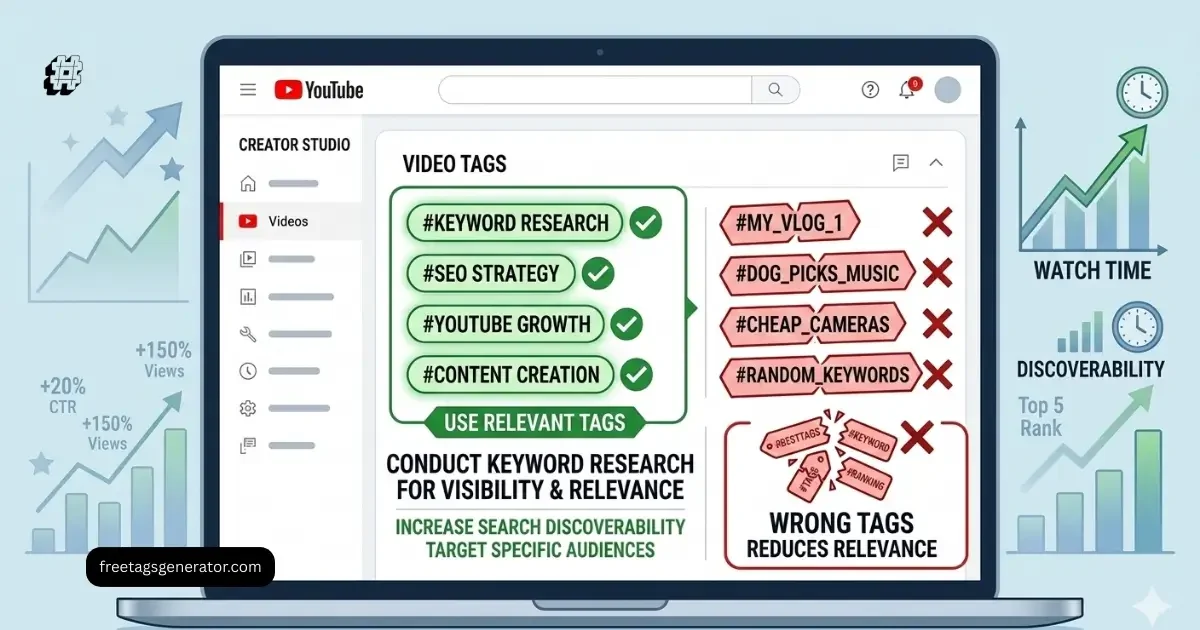
Tags are one of the first things YouTube’s algorithm checks to understand your content. Using wrong SEO tags or overstuffing them can confuse the algorithm and reduce reach.
Avoid generic tags like “video” or “YouTube.”
Use tags that match your main keyword and related phrases.
Keep them relevant; irrelevant tags can hurt ranking.
Semantic tip: YouTube favors contextually related tags rather than excessive repetition.
Beginner YouTube SEO Pitfalls
New creators often make mistakes like:
Ignoring descriptions and timestamps
Uploading long videos without considering the 10-minute rule
Not optimizing for CTR with thumbnails and titles
Relying only on one keyword instead of LSI phrases
These errors directly affect failed video ranking and limit organic discovery.
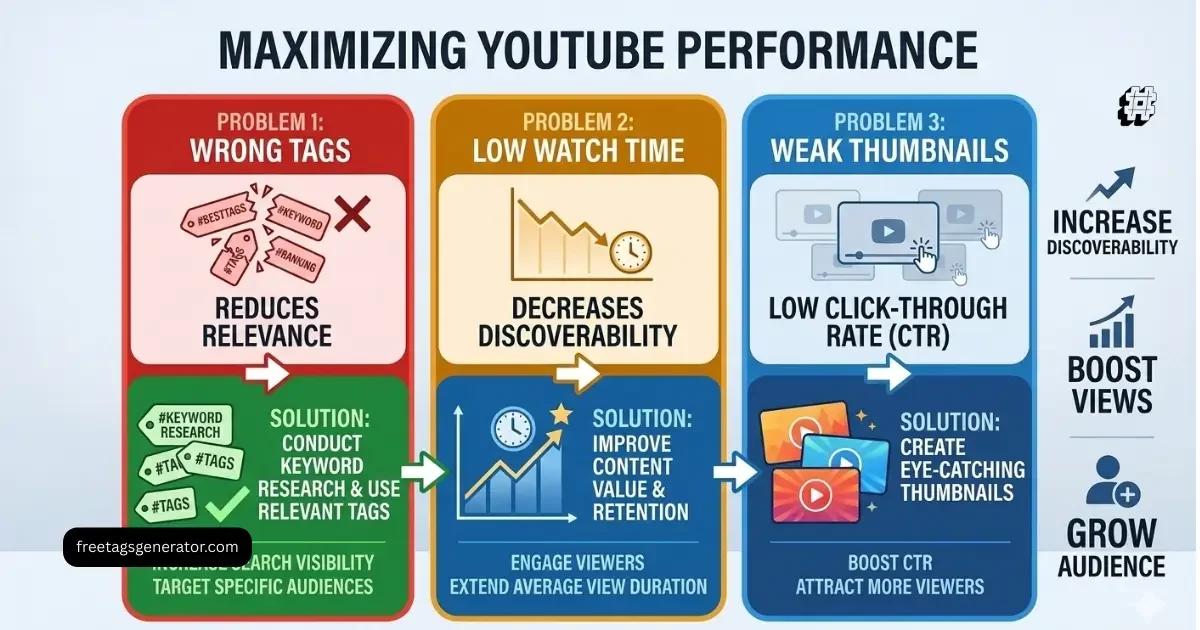
Common YouTube Ranking Mistakes That Reduce Views
Understanding these mistakes will help you prevent them before uploading your next video.
The 7-Second Rule and Viewer Retention
YouTube gives importance to watch time. The 7-second rule states that if viewers leave your video in the first 7 seconds, your ranking drops. Hook your audience immediately:
Start with a question or intriguing statement
Use engaging visuals and clear audio
Avoid long intros
Tags Causing Low Views
Incorrect or irrelevant tags can prevent your video from appearing in search results. Common tagging errors YouTube beginners make:
Using too many tags
Using irrelevant trending tags
Repeating the same tag multiple times
Use 8–15 precise, contextually related tags to improve discoverability.
Video Length and the 10-Minute Rule
Longer videos (over 10 minutes) can boost watch time, but only if the content is engaging. Short, unstructured videos often fail to retain viewers, hurting ranking.
Stick to structured content
Use chapters or timestamps
Maintain viewer retention throughout
Many creators fail because they overlook common YouTube SEO mistakes that limit discoverability. Beginner tagging errors, low retention, and weak metadata prevent videos from ranking. Fixing these issues with proper tags, optimized descriptions, and high CTR thumbnails increases your chances to appear on search and Google Discover feeds.
Step-by-Step Guide to Fix YouTube SEO Errors
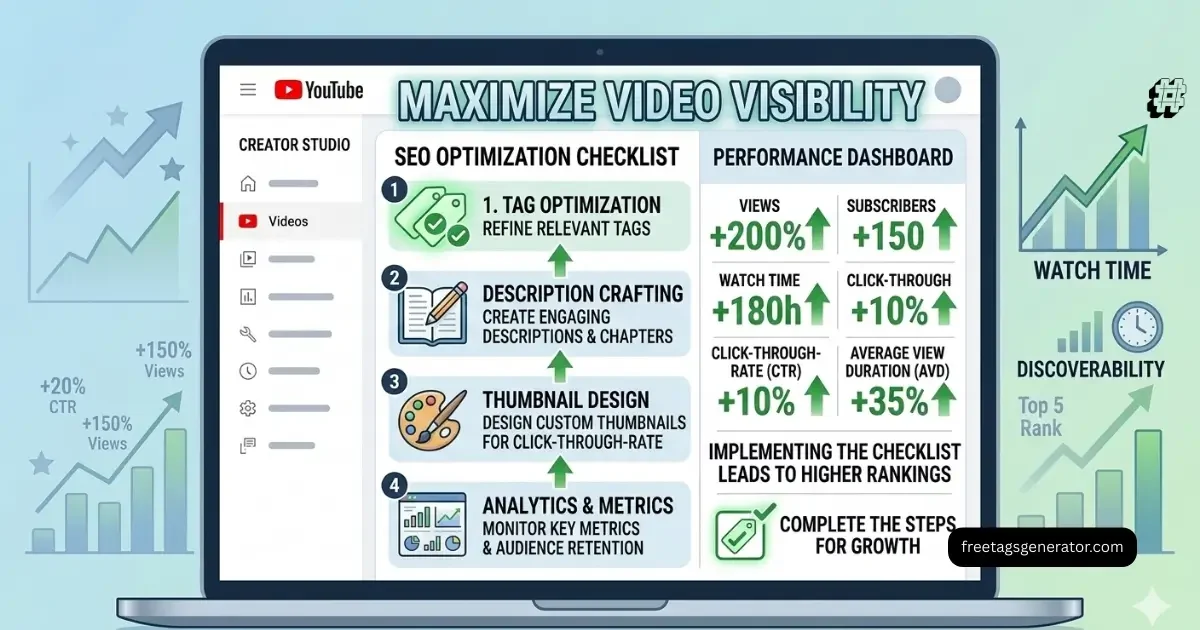
Here’s how to address these YouTube SEO mistakes and increase your rankings:
Choosing Correct Tags and Keywords
Research keywords using tools like TubeBuddy or VidIQ
Include primary keyword in title, description, and tags
Add semantic variations: “SEO tips YouTube beginners,” “tags causing low views”
Pro Tip: Tags matter less than titles and descriptions, but they help the algorithm understand context.
Optimizing Titles and Descriptions
Include the primary keyword naturally
Keep titles under 60 characters for full visibility
Use descriptions to expand on the topic with LSI keywords
Add timestamps and links to related videos
Thumbnails and CTR Optimization

CTR is a strong ranking factor. Avoid clickbait, focus on:
High contrast visuals
Clear text highlighting video topic
Faces or expressive emotions for relatability
FAQs About YouTube SEO Mistakes
What are common YouTube SEO mistakes?
Common mistakes include wrong SEO tags, ignoring descriptions, poor titles, and low retention rates.
How do beginner YouTubers fix tag errors?
Start by researching relevant tags, remove irrelevant ones, and use 8–15 contextually related tags per video.
Do tags really affect YouTube SEO in 2026?
Yes, but they’re less important than titles, descriptions, and watch time. Tags help with context and related video placement.
How to get 100% SEO score on YouTube?
Focus on keyword placement, structured description, optimized thumbnail, accurate tags, and viewer retention metrics.
What is the 7-second rule on YouTube?
It’s the idea that viewers deciding to leave within 7 seconds can negatively impact your video ranking.
How much do 1000 views pay on YouTube?
It varies depending on niche, country, and CPM, but on average $1–$5 per 1,000 monetized views.
Conclusion & Next Steps
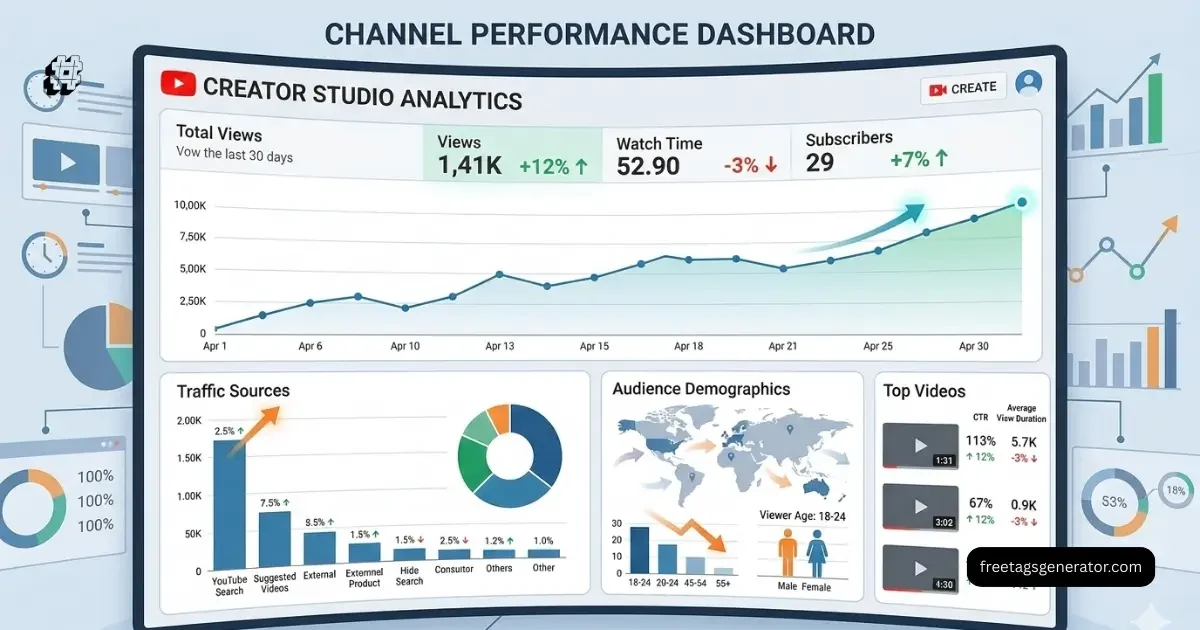
Avoiding YouTube SEO mistakes starts with understanding the pitfalls: wrong tags, poor retention, and unoptimized metadata. Focus on high-quality content, accurate tagging, and structured descriptions. To make this process easier, consider tools like TubeBuddy or VidIQ for keyword research and SEO suggestions.
Start applying these tips today, and watch your video performance improve over the next few weeks.