
Why Instagram Reach Is Dead for You? 9 Hashtag Errors to Stop Now

Your posts look good.
Your content is consistent.
Yet Instagram reach feels dead.
If you are wondering why Instagram is not getting reach anymore, hashtags are usually the silent killer. Most creators are not shadowbanned. They are just making Instagram hashtag mistakes that quietly block discovery, confuse the algorithm, and cap growth.
Hashtags still matter, but only when used correctly. This guide breaks down what is actually going wrong, how Instagram reads hashtags today, and how to fix low reach without gimmicks. No hacks. No recycled advice. Just what works now.
Instagram Hashtag Mistakes That Kill Reach Before Your Post Even Starts
Hashtags are not decoration. They are distribution signals. When you use the wrong ones, Instagram does not punish you. It simply stops showing your content to new people.
Below are the most common Instagram hashtag mistakes creators make, even those posting daily.
Mistake #1 – Using Hashtags That Are Too Broad
Why this destroys reach
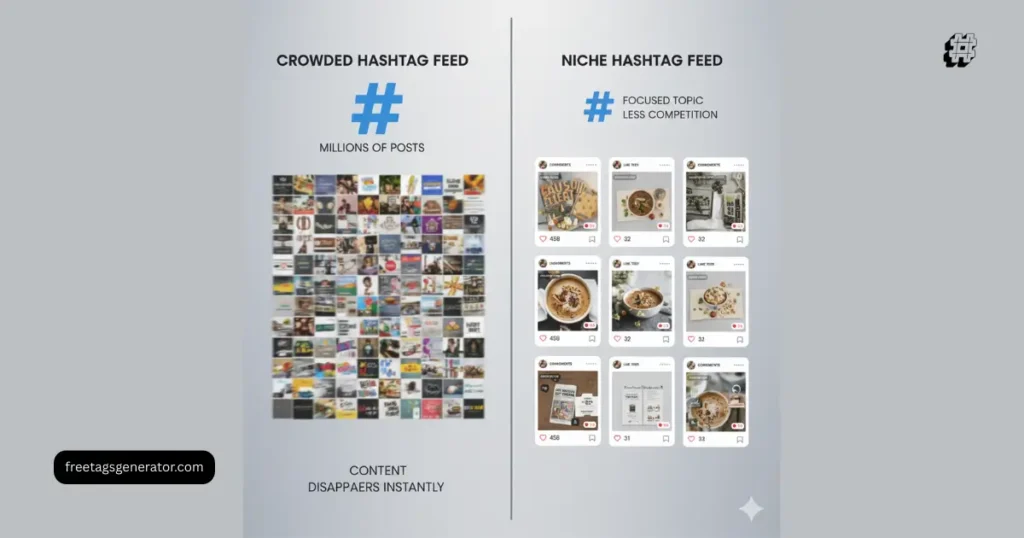
Hashtags like #love, #instagood, or #viral feel powerful. They are not.
These hashtags have millions of posts added every hour. Your content disappears in seconds. Instagram also struggles to understand what your post is actually about.
This leads to:
Low initial engagement
Poor ranking in hashtag feeds
Reduced Explore visibility
Slower small account growth
What to do instead
Use niche-specific hashtags that describe:
Topic
Format
Audience
Intent
Bad example:#marketing
Better example:#instagramcontenttips#smallbusinessinstagram#creatorgrowthstrategy
Action step
Aim for hashtags with:
10k–500k posts for small accounts
Clear topical relevance
Active but not overcrowded feeds
Mistake #2 – Copy-Pasting the Same Hashtags on Every Post
Why Instagram hates repetition
Using the same hashtag block tells Instagram one thing. You are not contextual. You are automated.
This does not cause a ban, but it does cause blocked engagement patterns. Instagram prioritizes relevance, not habit.
Symptoms you will notice
Reach slowly declines over time
Posts stop appearing under hashtags
Engagement flatlines even with good content
How to fix it
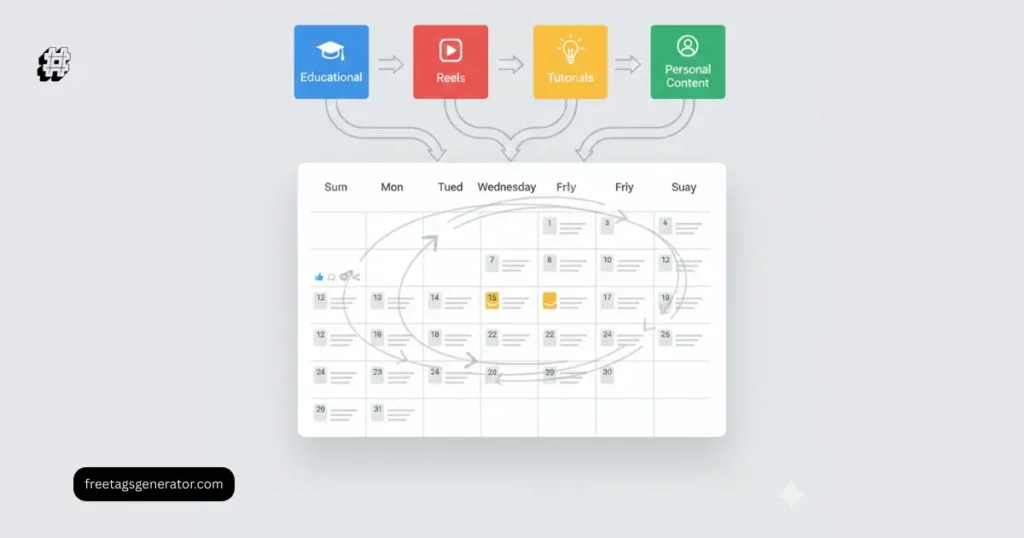
Create 3–5 hashtag sets, each built around a specific content type.
For example:
Educational posts
Reels
Personal stories
Tutorials
Product posts
Rotate them based on what the post is actually about.
Mistake #3 – Using Irrelevant or Trending Hashtags
The hidden algorithm issue
Trending hashtags do not boost reach unless your content matches user intent.
When people open a hashtag feed and ignore your post, Instagram reads that as poor relevance.
That hurts future distribution.
Wrong hashtags Instagram example
Using:
#reelsviral on a static image
#entrepreneurlife on a meme
#motivation on a tutorial
Better approach
Every hashtag should answer one question:
Who is this post for?
If the hashtag audience would not save, like, or comment on your post, remove it.
Mistake #4 – Believing in the 30-Hashtag Myth
What is the biggest mistake you can make when choosing hashtags?
Using too many hashtags with no strategy.
Instagram does not reward volume. It rewards clarity.
What is the 3 hashtag rule?
The idea that only 3 hashtags are enough is incomplete. It works only when:
Your account has strong authority
Your content already ranks well
What is the 5 hashtag rule?
Using 5 highly targeted hashtags often outperforms 20 random ones, especially for small pages.
Practical recommendation
Small accounts: 5–12 hashtags
Medium accounts: 8–15 hashtags
Large accounts: 3–8 hashtags
Quality beats quantity every time.
Mistake #5 – Using Hashtags That Are Soft-Blocked or Spammy
Which hashtags block Instagram engagement?
Some hashtags are not banned but restricted. Posts under them get limited visibility.
Examples change often, but patterns include:
Engagement bait hashtags
Overused giveaway tags
Spam-associated keywords
How to check a hashtag
Search the hashtag
Tap “Recent”
If posts are missing or inconsistent, avoid it
Action tip
Avoid hashtags that promise:
Instant growth
Free followers
Engagement exchanges
They attract low-quality traffic and confuse Instagram SEO.
Mistake #6 – Ignoring Instagram SEO and Keyword Signals
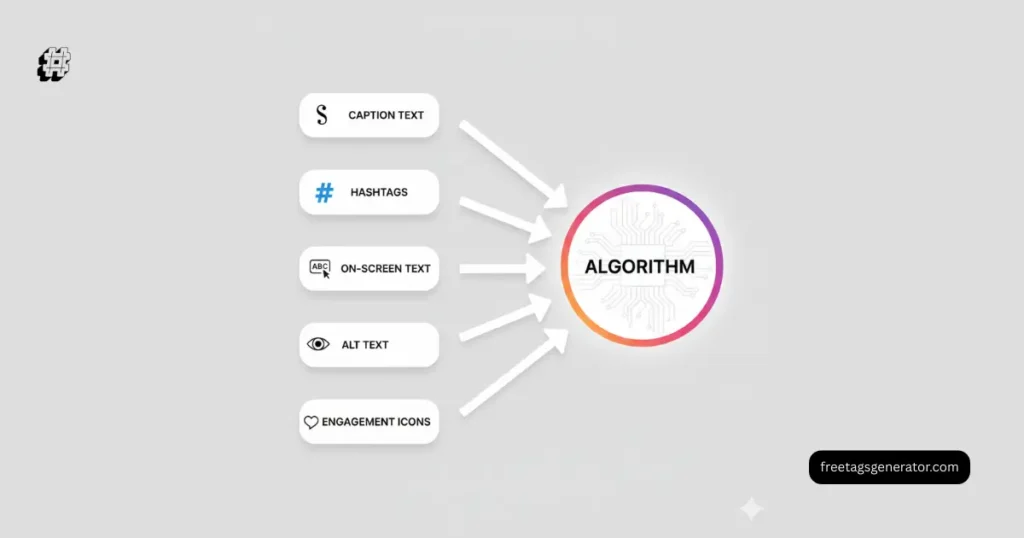
Hashtags are not alone anymore
Instagram now reads:
Captions
On-screen text
Alt text
Bio keywords
Engagement patterns
If your hashtags say one thing and your caption says another, reach drops.
Example
Hashtags:#instagramgrowth #socialmediatips
Caption talks about:
YouTube thumbnails
Result:
Instagram does not know who to show your post to.
Fix this alignment
Use your primary keyword in caption
Support it with semantic hashtags
Keep one clear topic per post
Mistake #7 – Hiding Hashtags Without Context
Does hiding hashtags still work?
Yes, but only when done right.
Placing hashtags in comments or below dots is fine. The mistake is hiding them without caption relevance.
Instagram still reads them.
Best practice
Write caption first
Add hashtags that directly support the caption
Hide only for aesthetics, not deception
Mistake #8 – Chasing Viral Reach Instead of Ranked Reach
Why viral thinking kills consistency
Most creators want spikes. Instagram wants stability.
Ranking in small hashtag feeds consistently beats one viral post followed by silence.
What ranked reach looks like
Your post stays visible for hours or days
Saves and shares increase
Profile visits grow steadily
Strategy shift
Instead of asking:
“How do I go viral?”
Ask:
“How do I own this hashtag topic?”
Mistake #9 – Never Reviewing Hashtag Performance
The mistake almost everyone makes
They never check what actually worked.
Instagram gives signals if you look.
What to track
Reach from hashtags
Saves
Profile visits
Follower source
Simple review process
Once a week:
Identify top-performing posts
Extract hashtags used
Rebuild future sets from winners
This is how small page growth becomes predictable.
How to Fix Low Reach on Instagram Step by Step
If your Instagram not getting reach, reset your hashtag system.
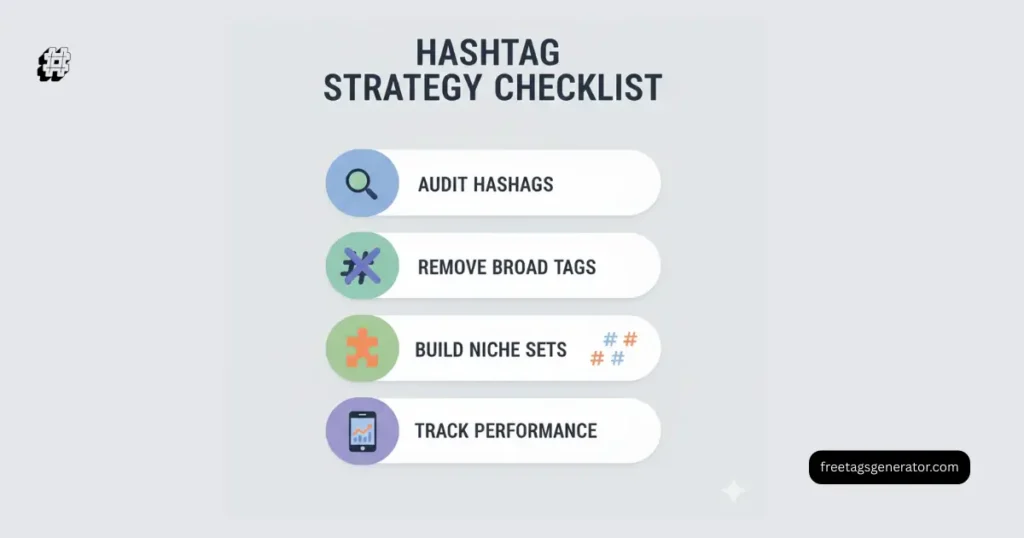
Step 1: Audit your last 10 posts
Remove:
Broad hashtags
Repeated sets
Irrelevant tags
Step 2: Build niche-based sets
Each set should include:
2–3 niche hashtags
2 format hashtags
1 audience hashtag
1 branded or custom hashtag
Step 3: Align caption and hashtags
Use the same topic language across:
Caption
Hashtags
On-screen text
Step 4: Track and refine
Keep what ranks. Remove what does not.
Why Is My Instagram Reach So Low Right Now?
This is rarely one thing. It is usually:
Wrong hashtags Instagram usage
Algorithm confusion
Low relevance signals
Inconsistent posting topics
Fixing hashtags often unlocks reach within 7–14 days.
FAQ
What are common hashtag mistakes?
Using broad hashtags, repeating the same sets, ignoring relevance, chasing trends, and not tracking performance are the most common Instagram hashtag mistakes.
How to hashtag correctly?
Use niche-focused hashtags that match your content, rotate sets, align with captions, and track what brings reach and saves.
What are the rules for hashtags on Instagram?
There is no fixed number rule. Focus on relevance, clarity, and topic alignment rather than quantity.
What is the biggest mistake you can make when choosing hashtags?
Choosing hashtags based on popularity instead of audience intent.
Which hashtags block Instagram engagement?
Spam-associated, overused, or restricted hashtags can reduce visibility. Always check hashtag feeds before using them.
How can I fix low reach on Instagram?
Audit your hashtag strategy, align content topics, reduce repetition, and focus on ranking in niche hashtag feeds.
Conclusion
Instagram reach is not dead.
Bad hashtag strategy is.
When you fix your Instagram hashtag mistakes, you stop fighting the algorithm and start working with it. Focus on relevance, clarity, and consistency. Hashtags are still one of the easiest ways to unlock discovery when used with intent.
If you want faster results, use a dedicated hashtag research or Instagram SEO tool to validate your sets before posting and track performance over time. Small changes here often create the biggest growth jumps.